
Advancing Human Capital for Durable Growth: Policy Priorities for Sri Lanka
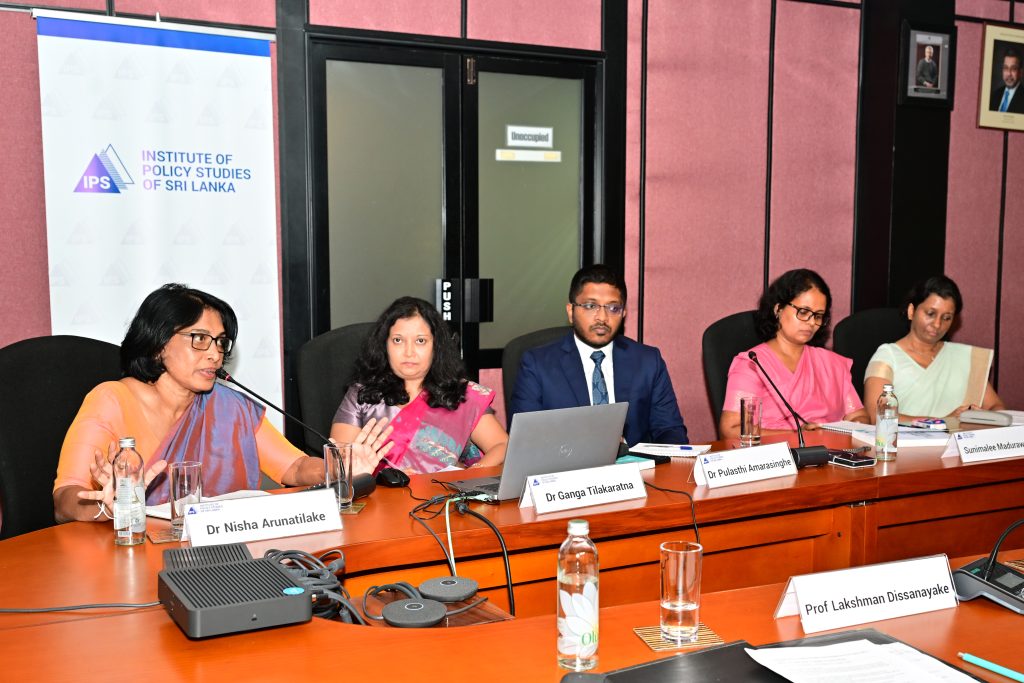 Photo: LBO
AI summary · 1 min read
1 min readFrom 1 outlets- IPS held a roundtable on October 20 to mark the release of its 2026 State of the Economy report.
- The event focused on human capital and inclusive, durable economic growth.
- IPS reported that Sri Lanka’s tertiary-educated population more than doubled from 2012 to 2024, but growth lagged regional peers.
- Basic degrees accounted for most of the increase, while postgraduate and technical qualifications remained limited.
Lanka Business Online reports that the Institute of Policy Studies of Sri Lanka (IPS) hosted a roundtable on October 20 to mark the release of the 2026 edition of its annual State of the Economy report. The discussion, titled “Durable Growth: Advancing Human Capital for Inclusive Prosperity,” examined policies intended to build skills, widen opportunities and strengthen resilience.
Lanka Business Online reports that IPS framed the event against Sri Lanka’s recovery from repeated shocks, including the COVID-19 pandemic, an economic crisis and climate-related disasters. The report asks how the country can sustain its economic recovery and make growth durable, with benefits shared more broadly.
Lanka Business Online reports that IPS Director of Research Nisha Arunatilake and research fellows Pulasthi Amarasinghe and Ganga Tilakaratne presented five chapters. Participants offering further interventions included emeritus professor Lakshman Dissanayake, Sri Lanka Export Development Board Director General Erandika Dissanayake and professor emeritus Kalinga Tudor Silva.
Lanka Business Online reports that Arunatilake identified strategic development of tertiary education as important to durable growth. From 2012 to 2024, Sri Lanka’s tertiary-educated population more than doubled, and the share of adults aged 25 and older with a tertiary qualification rose by 2.8 percentage points; however, the pace of growth remained behind regional peers.
Lanka Business Online reports that the increase was uneven: basic degrees accounted for 87% of the growth, while postgraduate and technical qualifications remained relatively scarce. The report’s available account does not provide further details on the roundtable’s recommendations or next steps.
Your take
Be the first to reactDiscussion
Readers' views on this storyStory alerts
Get an email when an outlet reports something new on this story.
Earlier coverage
Reports on the same subject from the months before this story.
- Daily Mirror · IPS urges growth shift beyond debt-funded spending
- Rupavahini News · තවත් ඩිජිටල් පියවරක්
- Ada Derana · Sri Lanka highlights priorities for decent work in platform economy
- Lanka Business Online · Beyond Recovery: Policy Priorities to Achieve Durable Growth in Sri Lanka
- Daily FT · Experts outline Sri Lanka’s priorities in new world order